Malaysia Rail Transportation
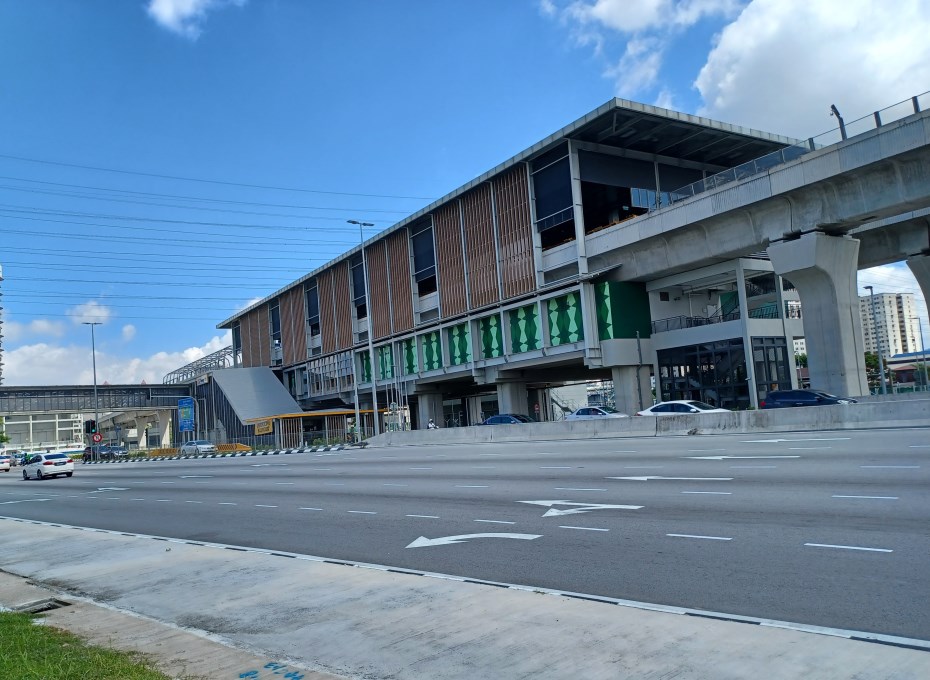
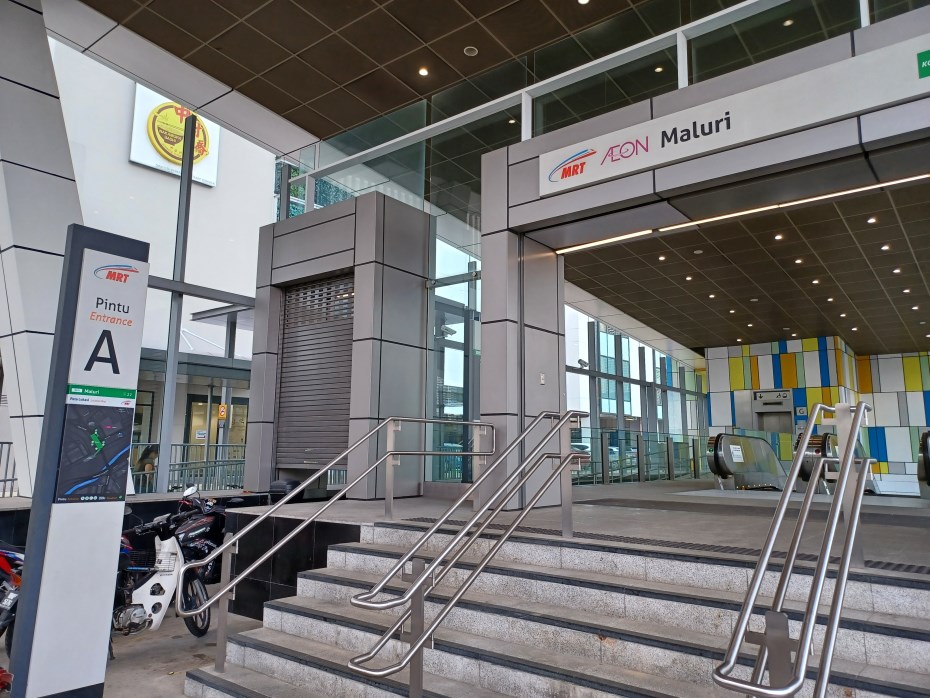
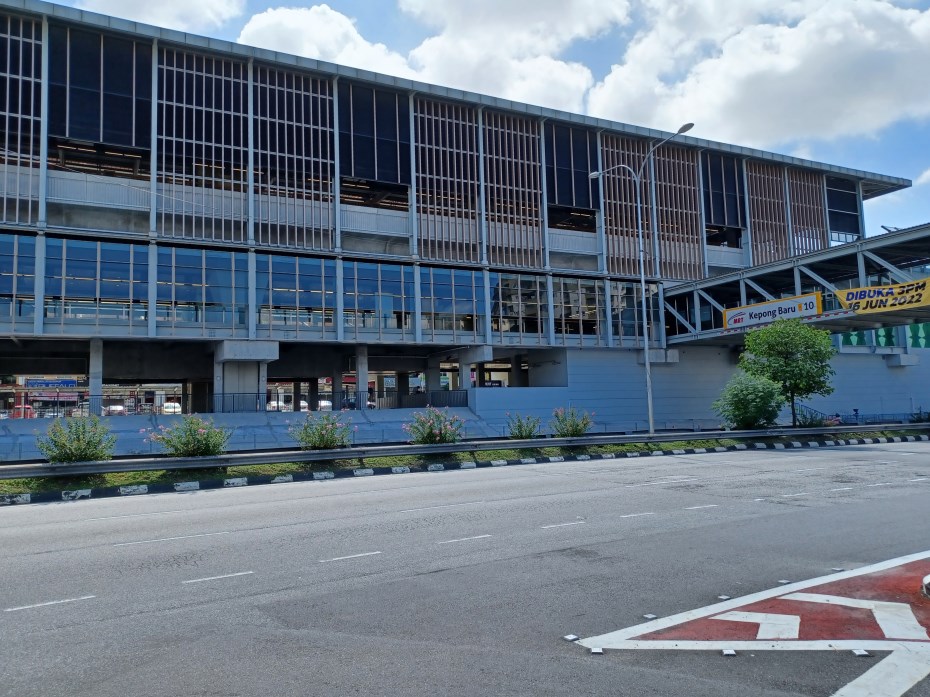
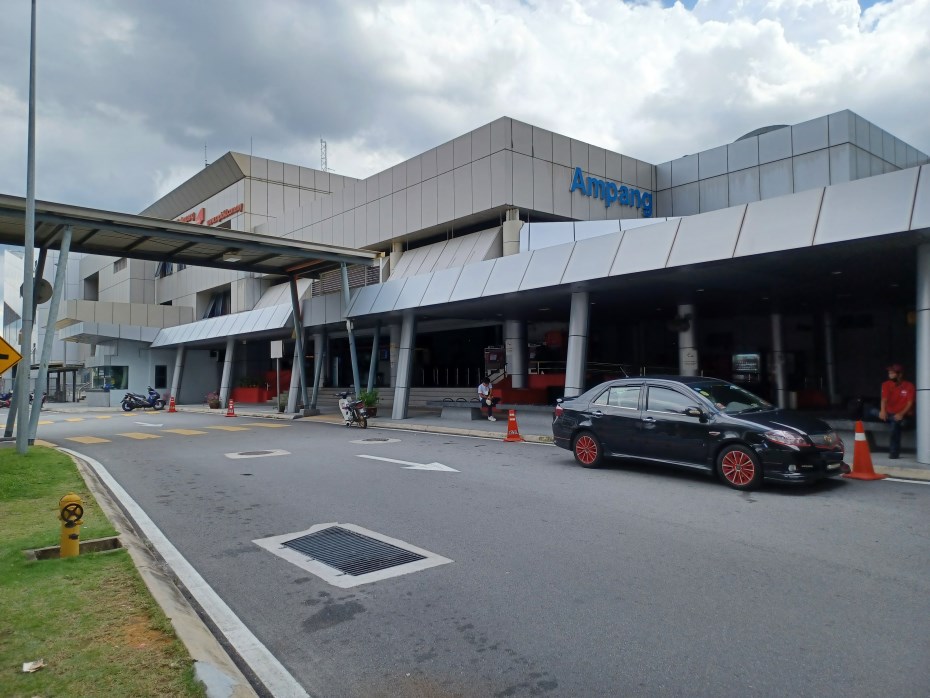
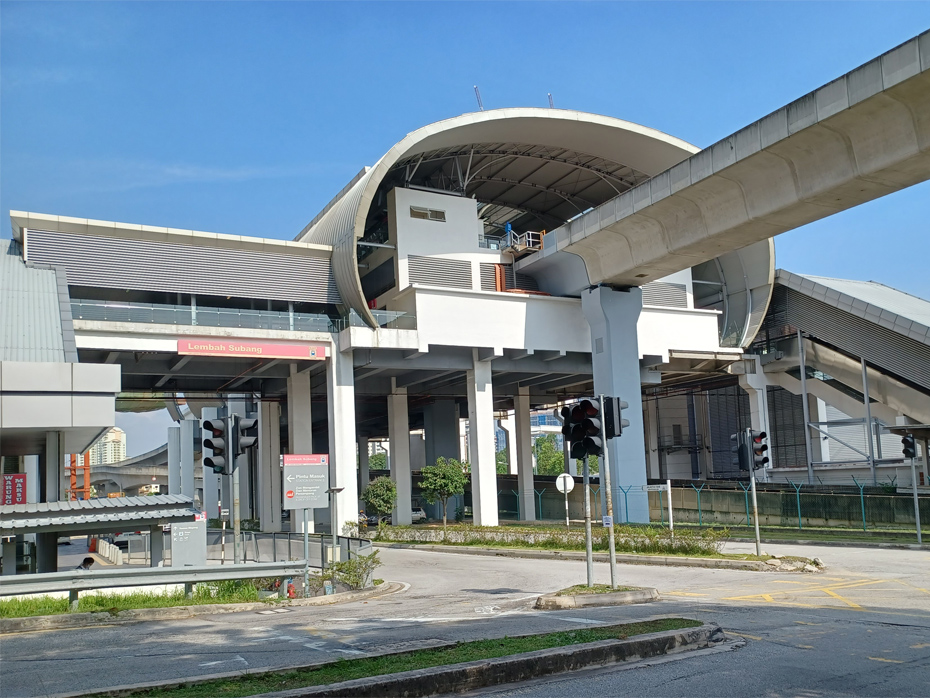
Rail Transportation in Malaysia
Rail transport in Malaysia consists of heavy rail (including KTM Komuter), light rapid transit (LRT), mass rapid transit (MRT), monorails,
airport rail links and a funicular railway line. Heavy rail is mostly used
for intercity passenger and freight transport as well as some urban public
transport, while rapid transit is used for intra-city urban public transport
in Kuala Lumpur, the national capital, and the surrounding Klang Valley
region.
There are two airport rail link systems linking Kuala Lumpur with the
Kuala Lumpur International
Airport.
The longest monorail line in the country is also used for public transport
in Kuala Lumpur city center, while the only funicular railway line is used in Penang
Hill.
About MRT Kajang Line
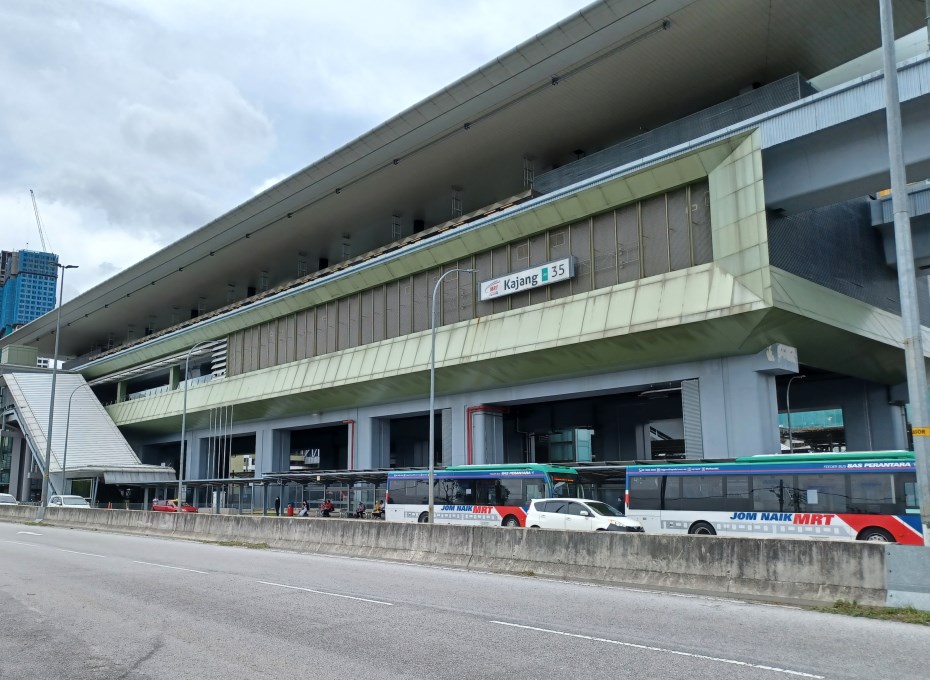
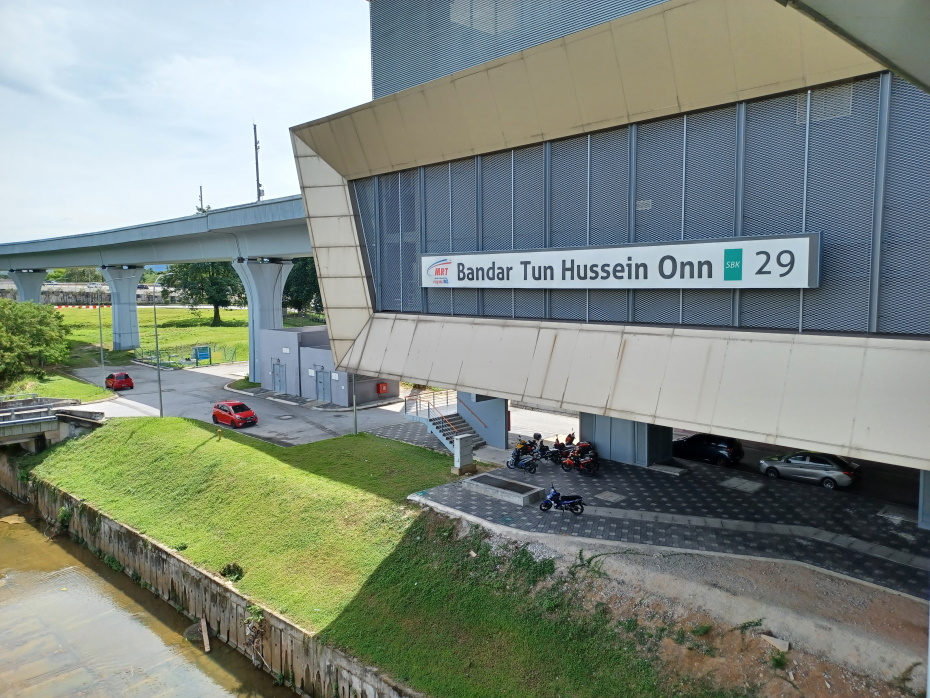
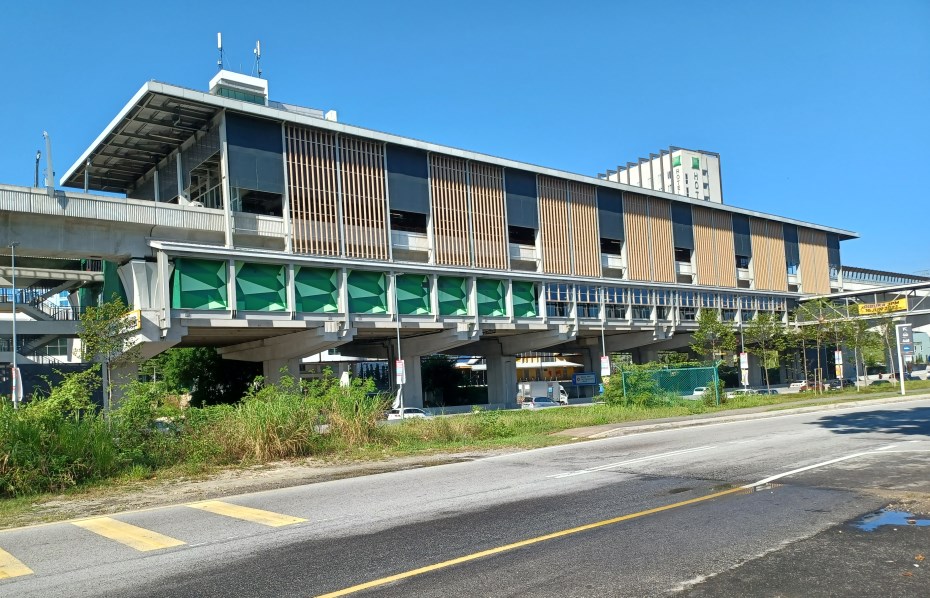
The total 46 km MRT Kajang Line is the first line of the Klang Valley MRT
Project. The entire line completed and began operations on 17 July 2017 and
runs from Sungai Buloh, through the city center of Kuala Lumpur and reaching
its terminus in Kajang. The Kajang Line has 31 stations of which 7 are
underground.
Phase I of the Kajang Line from Sungai Buloh to Semantan completed and began
operations on 16 December 2016. The Phase II, from Semantan Station to
Kajang Station started its operations on 17 July 2017, allowing commuters to
reach their destination in entire alignment.
Stations in MRT Kajang Line
About MRT Putrajaya Line
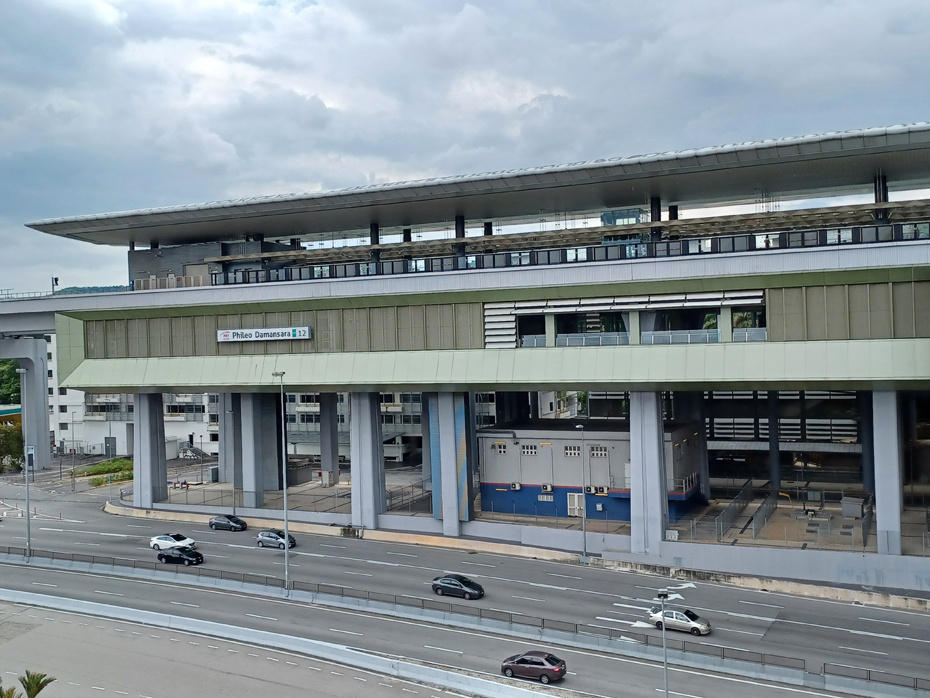
The MRT Putrajaya Line (previously known as Sungai
Buloh-Serdang-Putrajaya Line) is the second line of Klang Valley
MRT Project. The Putrajaya Line has 36 stations of which 9 are underground.
As planned, there will be 10 interchange stations and connecting stations,
making it more convenient for commuters to transfer from the Putrajaya Line
to existing and future rail lines.
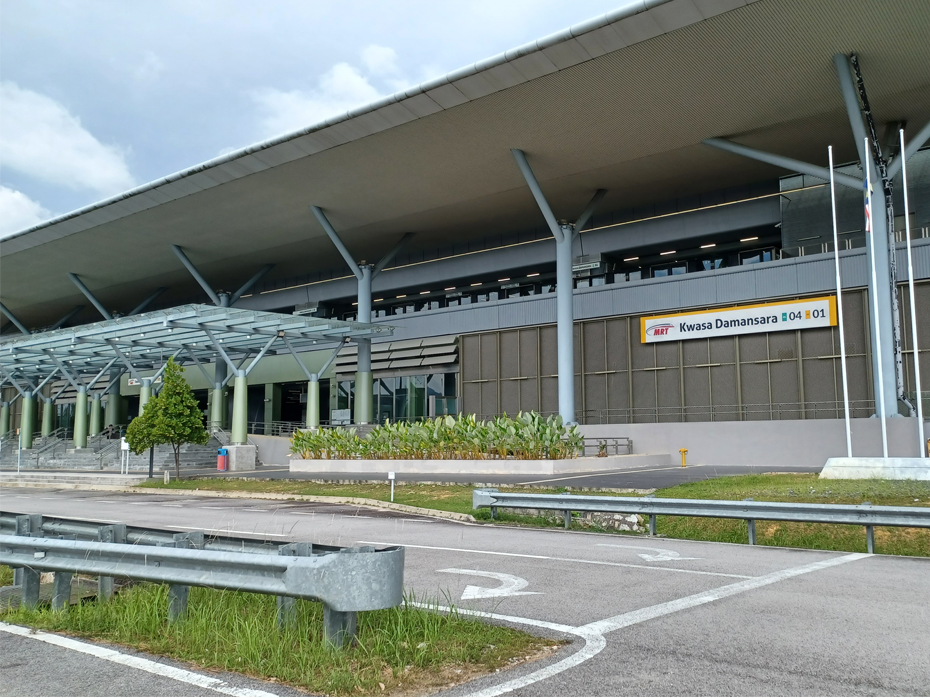
Phase I of the Putrajaya Line from Damansara Damai to Kampung Batu completed and began
operations on 16 June 2022. The Phase II, from Kentonmen to Putrajaya
Sentral is expected to complete and start operation on 1st half of 2023.
Along the Putrajaya Line, there are 16 stations will have park and ride
facilities.
Stations in MRT Putrajaya Line
About LRT Ampang Line
The Ampang and Sri Petaling
Lines run on a common route between Sentul Timur Station and Chan Sow
Lin Station, serving central Kuala Lumpur and the city centre, effectively
making all the stations on this section act as interchanges between both
lines. The Stations have a dedicated platform for trains travelling north to
Sentul Timur, and one for trains travelling to Chan Sow Lin, with trains on
the respective lines taking turns to stop at the stations at a given time.
From the Chan Sow Lin Station, the lines diverge and run separately. The
Ampang Line travels to its terminus, Ampang Station, serving towns in the
Cheras and Ampang Jaya regions.
Stations in LRT Ampang Line
|
•
Sentul Timur |
•
Masjid Jamek |
•
Maluri |
About LRT Sri Petaling Line
The Sri Petaling line LRT consists of 29 stations and a trip from Sentul
Timur LRT Station to Putra Heights LRT Station takes a total of 74 minutes.
The Ampang and Sri Petaling Lines run on a common route between Sentul Timur
Station and Chan Sow Lin Station, serving central Kuala Lumpur and the city
centre, effectively making all the stations on this section act as
interchanges between both lines. From Chan Sow Lin Station, the Ampang Line
travels to its terminus, Ampang Station while the Sri Petaling Line runs to
Putra Heights Station, where it meets the Kelana Jaya Line, serving southern
Kuala Lumpur and Puchong.
Stations in LRT Sri Petaling Line
About LRT Kelana Jaya Line
The LRT Kelana Jaya Line runs from Putra Heights LRT Station through
Kelana Jaya LRT Station to Gombak LRT Station, serving the Subang Jaya and
Petaling Jaya regions to the south, southwest and central Kuala Lumpur, and
Kuala Lumpur city centre to residential areas further north in Batu Caves
and Gombak.
The Kelana Jaya line LRT comprises 46.4 km of grade-separated tracks running
mostly on underground and elevated guideways with 37 Stations.
Stations in LRT Kelana Jaya Line
|
•
Gombak |
•
Pasar Seni |
•
Ara Damansara |
About KL Monorail Line
The KL Monorail is an intra city public transit system that links many
key destinations within Kuala Lumpur. It passes major hotels in the city and
serves its central commercial, employment and shopping district.
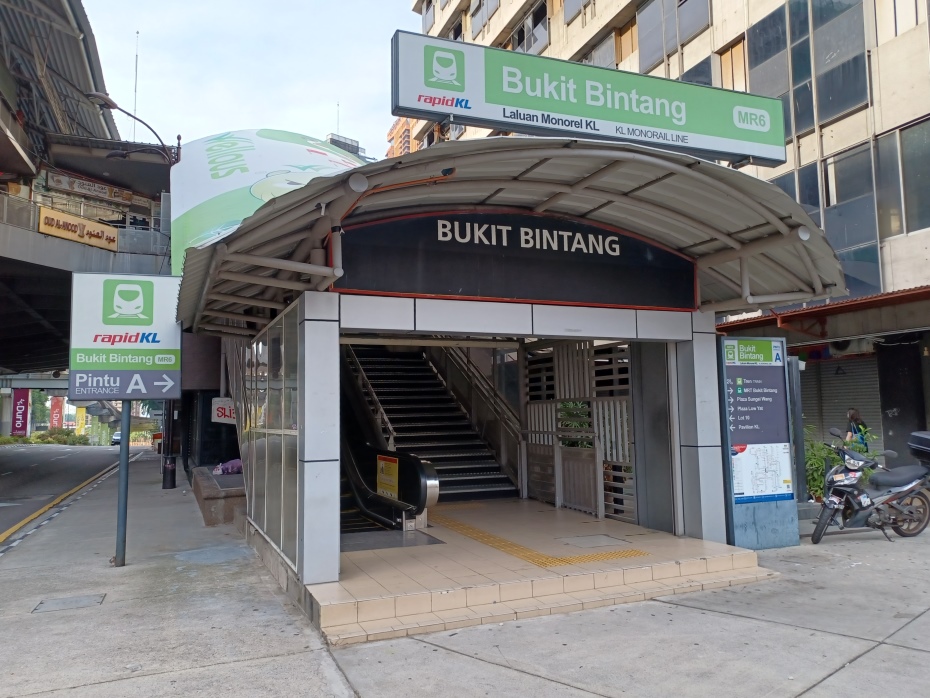
The 8.6 km long KL Monorail system runs across 11 stations that stretches
from KL Sentral in Brickfields through the central business district of
Kuala Lumpur, ending at Titiwangsa Station in Jalan Tun Razak.
|
•
Imbi |
•
Medan Tuanku |
About KTM Komuter
KTM Komuter is the FIRST electric train service in Malaysia. Introduced
in August 1995, it connects Kuala Lumpur City Centre with the surrounding of
the sub-urban areas such as Tanjung Malim, Rawang, Seremban, Sungai Gadut
and Pelabuhan Klang. It has been a popular mode of transport that offers
very reasonable fares.
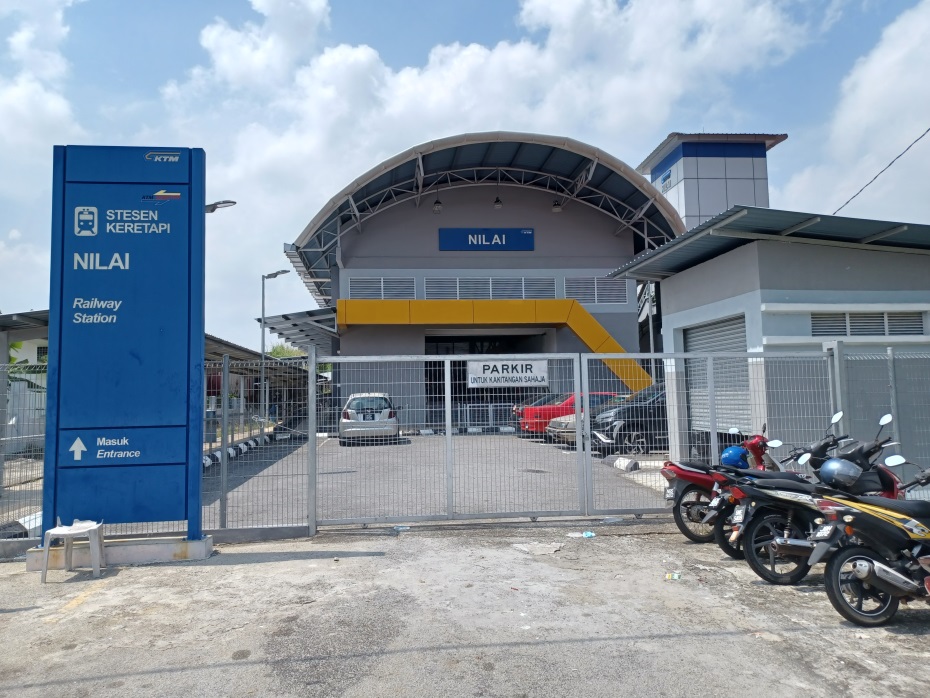
KTM Komuter covers more than 287 km length of network that consists of 59
stations (26+31). Tickets are available at the ticketing counters or purchase it at
the self-service Ticket Vending Machine which are available at all stations
and halts.
Stations in Seremban Line
|
•
Batu Caves |
•
Mid Valley |
•
Nilai |
Stations in Port Klang Line
|
•
Tanjung Malim |
•
Bank Negara |
•
Subang Jaya |
About KTM Intercity
KTM Intercity is the brand name for a group of diesel-hauled intercity
train services in Peninsular Malaysia, Southern Region, Singapore and
Thailand operated by Keretapi Tanah Melayu Berhad (KTMB).
A few operate solely along the East Coast line between Tumpat and Gemas and
on to Singapore.
|
• Padang Besar |
•
Batu Gajah |
•
Seremban |
Stations in East Coast Line
|
• Kemayan |
• Krambit |
• Kuala Krai |
About KLIA Transit
KLIA Transit is a rapid transit service designed specially for commuters and
airport personnel. Just like KLIA Ekspres, this train service shares the
same tracks as the KLIA Ekspres connecting Kuala Lumpur International
Airport (KLIA) and Kuala Lumpur city centre.
KLIA Transit however makes
3 quick intermediate stops along key townships - Bandar Tasik Selatan,
Putrajaya & Cyberjaya and
Salak Tinggi.
|
• KLIA |